

What Fluids Does My Car Need — and How Often? A Complete Guide to Essential Vehicle Fluid Maintenance
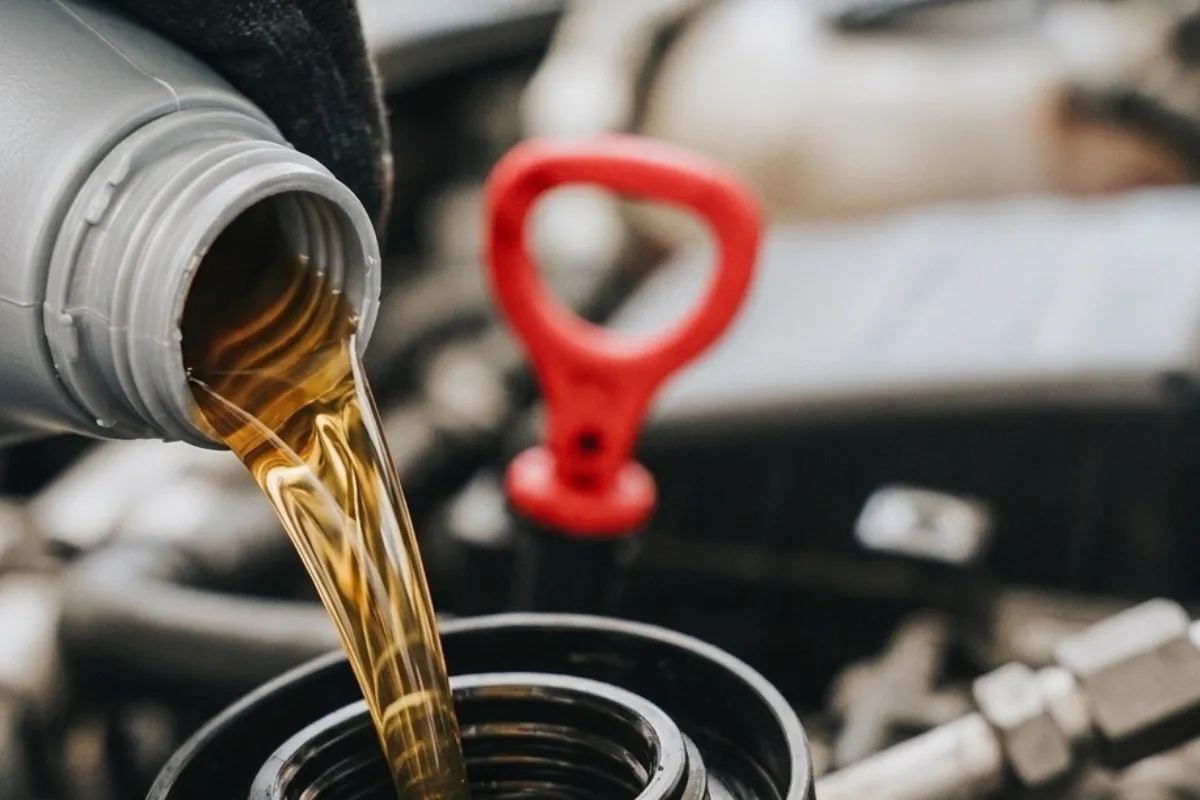
Keep Your Vehicle Running at Its Best with Regular Fluid Checks
Your vehicle relies on more than just fuel to operate. Several essential automotive fluids
work together to keep your engine, transmission, brakes, steering, and cooling system
performing safely and efficiently.
One of the most common questions drivers ask is: "What fluids does my car need, and how
often should they be changed?"
The answer isn't the same for every vehicle. Fluid maintenance intervals vary depending on
your vehicle's make, model, model year, powertrain, driving conditions, and the
manufacturer's recommended maintenance schedule.
Keeping up with routine fluid inspections and services is one of the best ways to help
prevent unexpected breakdowns, improve performance, and avoid costly repairs.
In this guide, we'll explain the purpose of each major automotive fluid, common signs that
service may be needed, and why following your manufacturer's recommended
maintenance schedule is essential.
Why Are Vehicle Fluids So Important?
Every fluid in your vehicle performs a specific function that helps keep critical systems
operating properly. Some fluids lubricate moving parts, while others regulate engine
temperature, transfer hydraulic pressure, or protect components from corrosion and
wear.
Neglecting routine fluid maintenance can contribute to:
- Engine overheating
- Premature engine wear
- Transmission damage
- Reduced braking performance
- Poor fuel efficiency
- Increased repair costs
- Reduced vehicle reliability
Having your vehicle's fluids inspected during routine maintenance helps identify
potential concerns early and ensures your vehicle continues to operate safely and
efficiently.
1. Engine Oil
What Does Engine Oil Do?
Engine oil is one of the most important fluids in your vehicle. It lubricates the engine's
internal moving parts, reducing friction and wear while helping to dissipate heat. Engine oil
also helps keep your engine clean by carrying away dirt, debris, and contaminants that can
build up over time.
Without clean, properly maintained engine oil, your engine can experience excessive wear,
reduced performance, and even severe mechanical damage.
How Often Should You Change Your Engine Oil?
Engine oil service intervals vary depending on your vehicle's manufacturer, model, model
year, engine type, the type of oil specified, and your driving habits.
Many newer vehicles are equipped with maintenance reminder systems that monitor
driving conditions and notify you when an oil change is due. The best way to determine the
correct oil change interval is to follow the maintenance schedule outlined in your owner's
manual or consult your service advisor.
If you regularly drive in stop-and-go traffic, make frequent short trips, tow a trailer, drive on
dusty roads, or experience extreme weather conditions, your vehicle may require more
frequent oil changes.
Signs You May Need an Oil Change
- Oil change or maintenance reminder light is illuminated
- Dark, dirty, or low engine oil
- Engine knocking or ticking noises
- Burning oil smell
- Reduced fuel efficiency
- Rougher engine performance than usual
Pro Tip: Regular oil and filter changes are one of the most effective ways to protect your
engine and maximize its lifespan.
2. Engine Coolant (Antifreeze)
What Does Engine Coolant Do?
Engine coolant helps regulate your engine's operating temperature by preventing
overheating in hot weather and protecting against freezing in colder temperatures. It also
helps protect the cooling system from corrosion and internal deposits.
How Often Should Coolant Be Replaced?
Coolant replacement intervals vary by manufacturer, vehicle model, model year, and the
type of coolant specified for your vehicle.
Some vehicles use long-life coolant designed to last for extended periods, while others
require more frequent replacement. Always follow the maintenance schedule
recommended by your vehicle's manufacturer.
Signs Your Coolant Needs Attention
- Engine overheating
- Low coolant warning light
- Sweet smell from under the hood
- Visible coolant leaks
- Low coolant reservoir level
Driving with low coolant can quickly lead to severe engine damage.
3. Transmission Fluid
Why Is Transmission Fluid Important?
Transmission fluid lubricates internal transmission components, helps regulate operating
temperature, and allows your transmission to shift smoothly and efficiently.
Whether your vehicle has an automatic transmission, manual transmission, or
continuously variable transmission (CVT), clean transmission fluid is essential for proper
operation.
How Often Should Transmission Fluid Be Changed?
Transmission fluid service intervals vary considerably depending on the manufacturer,
transmission type, model year, and driving conditions.
Some vehicles have scheduled transmission fluid replacement intervals, while others are
equipped with sealed transmissions that use what the manufacturer describes as
"lifetime" transmission fluid. Even in these cases, periodic inspections may still be
recommended, particularly if the vehicle is driven under severe operating conditions.
Always refer to your owner's manual or consult your service advisor to determine the
maintenance requirements for your specific vehicle.
Signs of Low or Dirty Transmission Fluid
- Hard shifting
- Delayed gear engagement
- Slipping gears
- Transmission warning light
- Grinding or whining noises
4. Brake Fluid
What Does Brake Fluid Do?
Brake fluid transfers hydraulic pressure from your brake pedal to the braking system,
allowing your vehicle to slow down and stop safely.
Over time, brake fluid naturally absorbs moisture, which can reduce braking performance
and contribute to corrosion within the brake system.
How Often Should Brake Fluid Be Changed?
Brake fluid replacement intervals vary by manufacturer and vehicle model.
Because brake fluid deteriorates over time, it should be inspected regularly and replaced
according to your vehicle manufacturer's recommended maintenance schedule.
Signs Your Brake Fluid Needs Service
- Soft or spongy brake pedal
- Longer stopping distances
- Brake warning light
- Dark brake fluid
Because your brakes are one of your vehicle's most important safety systems, brake fluid
should never be overlooked.
5. Power Steering Fluid
(Applies to vehicles equipped with traditional hydraulic power steering).
What Does Power Steering Fluid Do?
Power steering fluid provides hydraulic pressure that helps make steering smoother and
easier while protecting steering system components from wear.
Many newer vehicles are equipped with electric power steering systems and do not require
power steering fluid.
How Often Should Power Steering Fluid Be Replaced?
For vehicles equipped with hydraulic power steering, replacement intervals vary by
manufacturer and vehicle model.
Power steering fluid should be inspected during routine maintenance and replaced
according to your vehicle's recommended maintenance schedule.
Signs of Low Power Steering Fluid
- Difficulty steering
- Whining noises while turning
- Steering feels stiff
- Fluid leaks under the vehicle
6. Windshield Washer Fluid
Why Washer Fluid Matters
Although it doesn't affect engine performance, windshield washer fluid plays an important
role in maintaining visibility by helping remove dirt, road salt, bugs, and debris from your
windshield.
How Often Should It Be Refilled?
Unlike other automotive fluids, windshield washer fluid does not have a scheduled
replacement interval. Check the reservoir regularly and refill it whenever the fluid level
becomes low.
During colder months, use a winter-rated washer fluid to help prevent freezing and improve
visibility.
7. Differential Fluid
(Found on many AWD, 4WD, and rear-wheel-drive vehicles).
What Does Differential Fluid Do?
Differential fluid lubricates the gears and bearings inside the differential, allowing your
wheels to rotate smoothly at different speeds when turning.
How Often Should Differential Fluid Be Replaced?
Differential fluid service intervals vary depending on your vehicle's manufacturer, drivetrain
configuration, model year, and driving conditions.
Vehicles used for towing, off-road driving, or other severe-duty applications may require
more frequent inspections or fluid replacement. Always follow your manufacturer's
recommended maintenance schedule.
8. Transfer Case Fluid
(Applies to many AWD and 4WD vehicles).
What Does Transfer Case Fluid Do?
Transfer case fluid lubricates and protects the internal gears and bearings within the
transfer case, allowing power to be distributed efficiently between the front and rear
wheels.
How Often Should Transfer Case Fluid Be Replaced?
Transfer case fluid replacement intervals vary by manufacturer and are only applicable to
vehicles equipped with all-wheel drive (AWD) or four-wheel drive (4WD) systems.
Refer to your owner's manual or consult your service advisor for the recommended
maintenance schedule for your specific vehicle.
Warning Signs Your Vehicle May Need a Fluid Service
Your vehicle may not always tell you exactly which fluid needs attention, but it will often
show warning signs when something isn't operating as it should. If you notice any of the
following symptoms, it's a good idea to have your vehicle inspected by a qualified
technician:
- Dashboard warning lights
- Fluid leaks underneath your vehicle
- Burning or unusual odors
- Engine overheating
- Difficulty or delayed shifting
- Unusual engine or transmission noises
- Reduced braking performance
- Steering that feels stiff or difficult
- Decreased fuel efficiency
Many fluid-related issues develop gradually and may not be immediately noticeable.
Addressing these warning signs early can help prevent more extensive repairs, improve
vehicle performance, and reduce the risk of unexpected breakdowns.
Why Regular Fluid Maintenance Saves You Money
Routine fluid maintenance is one of the simplest and most effective ways to protect your
vehicle's major systems and help prevent premature wear.
Having your vehicle's fluids inspected and serviced according to the manufacturer's
recommended maintenance schedule can help:
- Protect your engine and transmission from unnecessary wear
- Improve overall vehicle performance
- Maintain smooth shifting and responsive handling
- Support safe braking performance
- Improve fuel efficiency
- Reduce the likelihood of costly repairs
- Extend the life of major vehicle components
- Help preserve your vehicle's long-term value
Preventative maintenance is almost always more affordable than repairing damage caused
by neglected or deteriorated fluids. Regular inspections also give technicians the
opportunity to identify small concerns before they become major repairs.
Frequently Asked Questions
What are the most important fluids in a vehicle?
What are the most important fluids in a vehicle?
Your vehicle relies on several essential fluids to operate safely and efficiently, including:
- Engine oil
- Engine coolant (antifreeze)
- Transmission fluid
- Brake fluid
- Power steering fluid (if equipped)
- Differential fluid (where applicable)
- Transfer case fluid (for many AWD and 4WD vehicles)
- Windshield washer fluid
How do I know if my vehicle needs a fluid service?
Some fluid-related issues trigger dashboard warning lights, while others may show
symptoms such as fluid leaks, overheating, unusual noises, difficulty shifting, reduced
braking performance, or steering that feels different than normal.
Because many fluids naturally deteriorate over time, regular inspections are the best way to
ensure your vehicle continues to operate safely and efficiently—even if you haven't noticed
any obvious symptoms.
Can I drive with low or contaminated vehicle fluids?
Driving with low or deteriorated fluids can affect your vehicle's performance and, in some
cases, lead to serious mechanical damage or compromise your safety. If you suspect a
fluid is low, contaminated, or leaking, it's best to have your vehicle inspected as soon as
possible.
Do all vehicles have the same fluid maintenance schedule?
No. Fluid inspection and replacement intervals vary by manufacturer, model, model year,
engine, transmission, and driving conditions. The recommended maintenance schedule for
your specific vehicle can be found in your owner's manual or by consulting your
dealership's service team.
The Bottom Line
Every fluid in your vehicle plays an important role in keeping it running safely, efficiently,
and reliably. Whether it's engine oil, coolant, transmission fluid, brake fluid, or another
essential fluid, routine inspections and timely maintenance help protect your vehicle's
most important components.
Because maintenance schedules vary by manufacturer and vehicle, following the
recommendations in your owner's manual is the best way to ensure your vehicle receives
the right service at the right time.
If you're unsure whether your vehicle is due for a fluid inspection or maintenance service,
our factory-trained technicians are here to help. We'll inspect your vehicle's essential
fluids, identify any concerns, and recommend the appropriate maintenance based on your
vehicle's make, model, model year, and manufacturer guidelines.
Schedule your next maintenance appointment today and help keep your vehicle
performing at its best for years to come.
Need to Book an Appointment?
From pre-trip inspections, routine maintenance, to major repairs, we’re here to deliver a service
experience that’s simple, transparent, and stress-free - Contact our service department today!